
Artificial Intelligence (AI) is reshaping industries worldwide, and the legal sector is no exception. From speeding up document review to enhancing legal research, AI has revolutionized the way legal professionals operate. However, with these advancements come pressing ethical concerns, particularly related to biases in AI algorithms and issues of transparency and accountability. In this blog, we explore the ethical implications of AI in law and how legal professionals can mitigate the risks associated with biased decision-making and opaque processes.
Bias in AI Legal Systems
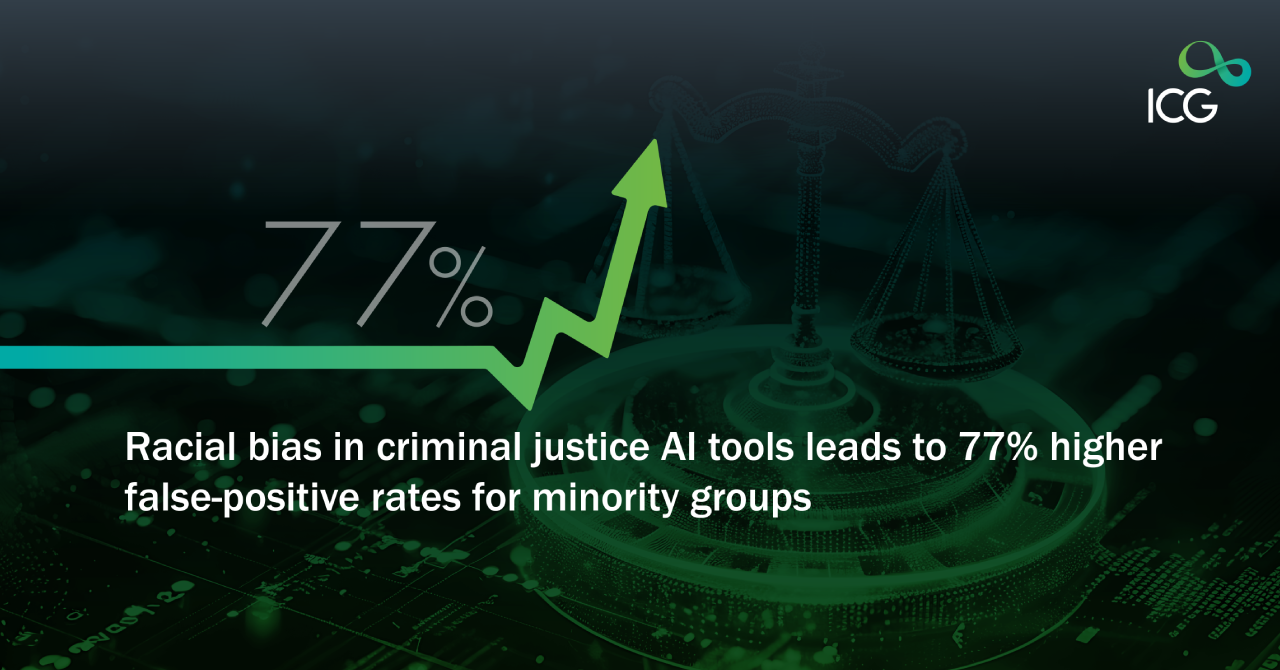
One of the primary ethical concerns surrounding AI in law is the risk of bias. AI systems often rely on historical data to generate insights, and if this data contains biases—whether racial, gender, or socioeconomic—those biases can become ingrained in the AI’s output. For example, a study conducted on criminal justice algorithms revealed that certain AI systems, such as COMPAS (an AI tool used to assess recidivism risks), were more likely to label African American defendants as high risk compared to their white counterparts, even when the criminal profiles were nearly identical. This issue of bias not only poses ethical dilemmas but also challenges the fairness and objectivity of legal decisions, as AI perpetuates pre-existing societal prejudices.
Lack of Transparency and Accountability
Another significant ethical challenge in the legal use of AI is the lack of transparency, often referred to as the “black box” problem. Many AI systems are designed in ways that make their decision-making processes difficult to interpret, leaving legal professionals and clients in the dark about how certain conclusions or recommendations are generated. This lack of transparency becomes particularly concerning when AI systems are used in areas such as sentencing predictions or determining case outcomes, as it undermines accountability. For instance, in a scenario where an AI-driven legal tool advises on the likelihood of winning a case, a lawyer may struggle to understand the underlying logic or even to explain it to their clients. Without clear, explainable AI systems, there is a significant risk of reduced trust in AI-generated legal advice, which could hinder its wider adoption in the industry.
Ensuring Ethical AI in Law
To mitigate the ethical risks associated with AI in law, there are several strategies that law firms and developers should consider. First, conducting regular bias audits can help identify and rectify any skewed outcomes from AI systems. It is also essential to promote the development of explainable AI (XAI) models that allow legal professionals to understand and challenge the results provided by AI tools. Additionally, maintaining human oversight over AI-driven processes ensures that AI systems do not replace human judgment but rather supplement and enhance it.
For example, AI can assist in identifying relevant case laws, but the final legal decision should still rest with an experienced lawyer who can consider the full ethical and legal context. Ultimately, addressing these ethical concerns head-on is crucial for building public trust in AI’s role in the legal system.
In conclusion, the integration of AI into the legal sector offers both transformative opportunities and significant ethical challenges. As AI continues to shape the future of law, the industry must remain vigilant about the ethical risks, particularly concerning bias, transparency, and accountability. By adopting responsible AI practices, the legal profession can harness AI’s potential while safeguarding the principles of justice and fairness.
The ICG Approach
At ICG, we offer a customized approach that empowers your teams with the latest insights and technology expertise to navigate the demands of today’s digital age. As Saudi Arabia embarks on its digital transformation journey, ICG plays a pivotal role in shaping the Kingdom’s tech landscape by providing cutting-edge solutions, strategic consultancy, and fostering innovation. Our comprehensive guidance, from fundamental concepts to practical implementation, helps organizations mitigate risks, stay ahead of the competition, and unlock their full potential in the accelerating digital environment.
Ready to talk?
Request your free Consultation to learn more about ICG’s capabilities and enablement to embark on a transformative expedition toward the summit of success.