
Why Asset-Heavy Industries Are at a Turning Point
Across the MENA region, asset-heavy industries such as energy, manufacturing, logistics, and utilities form the backbone of economic activity. These sectors rely on large-scale physical infrastructure that must operate continuously, safely, and efficiently. For decades, performance gains were driven by scale, manual oversight, and incremental automation.
Today, that model is under strain. Supply chains are more volatile, downtime is increasingly costly, and sustainability pressures are intensifying. Reactive decision-making is no longer enough to keep pace with this level of complexity. Organizations are being pushed toward operating models where assets can anticipate issues and respond intelligently as conditions change. This shift sets the stage for Physical AI.
What Physical AI Means for Asset-Heavy Operations
Physical AI represents a shift in where intelligence lives within industrial systems. Rather than analysing data after the fact, intelligence is embedded directly into physical assets, enabling machines to interpret conditions and respond as events unfold.
In practice, this means assets are no longer governed by fixed rules or static schedules. Sensors continuously capture signals from equipment and infrastructure, while AI models analyse those signals in real time to identify patterns, risks, and opportunities. Decisions are made at the point of operation, not delayed by reporting cycles or manual escalation.
This capability is particularly transformative for maintenance and operations. Recent industry research shows that AI-driven predictive maintenance is rapidly becoming a standard feature of industrial environments
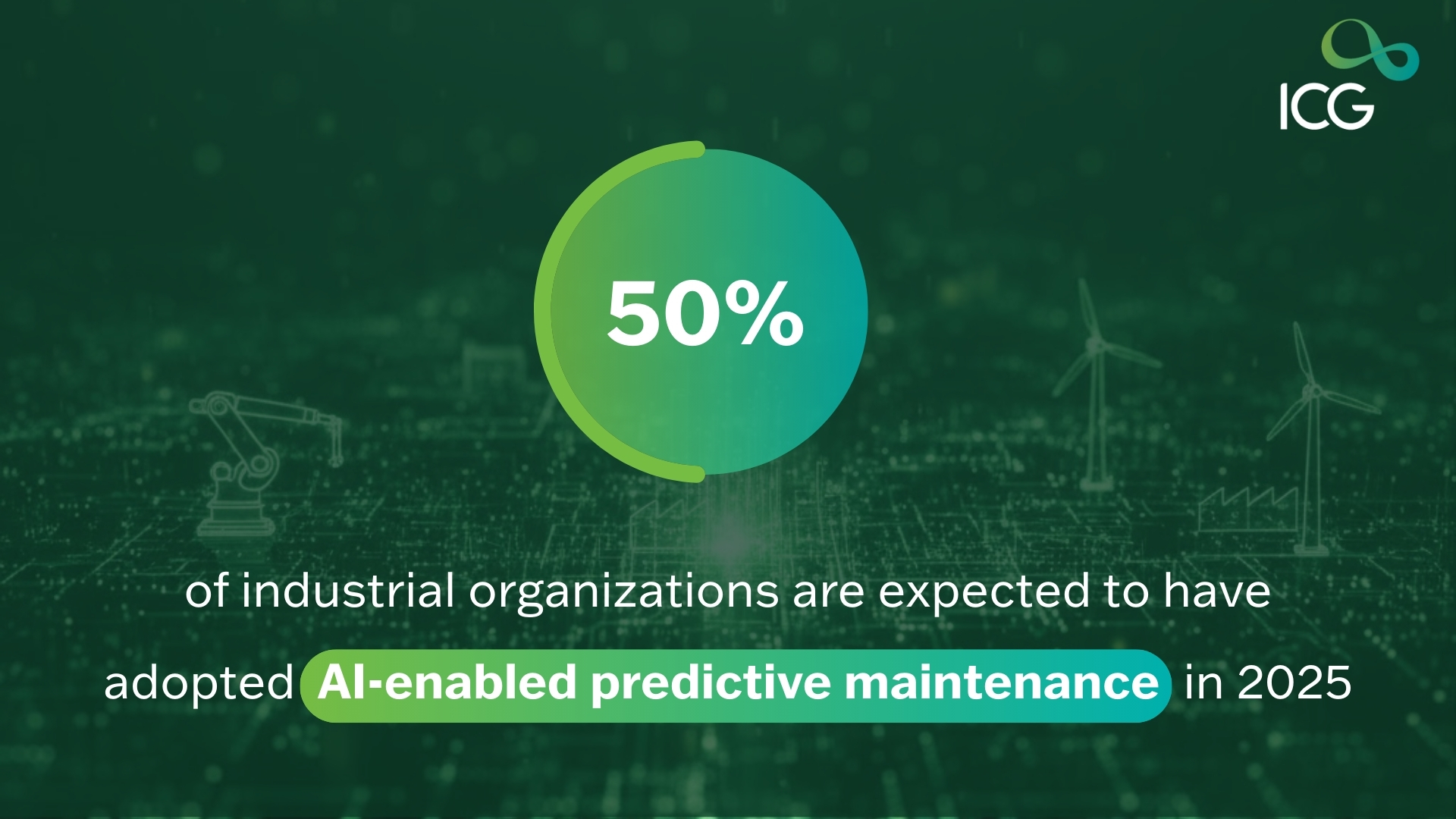 Where implemented, the impact is significant: predictive maintenance has been shown to reduce equipment downtime by up to 50 per cent while lowering maintenance costs by between 10 and 40 per cent compared with traditional, reactive approaches. These gains are driven by the ability to detect potential failures early and intervene before disruptions occur.
More broadly, Physical AI enables organizations to move beyond control-based management toward intelligence-driven performance, where systems continuously learn, adapt, and improve over time.
Where Physical AI Is Already Creating Impact
Beyond maintenance, Physical AI is beginning to reshape how asset-heavy operations function day to day. By embedding intelligence directly into physical systems, organizations are reducing the gap between insight and action across a range of operational environments.
In production settings, intelligent systems continuously monitor equipment behavior, allowing anomalies to be identified early and addressed before they escalate into larger disruptions. This improves reliability while reducing the need for manual inspection and emergency intervention.
In logistics and asset-intensive operations, Physical AI enables systems to dynamically adjust routing, scheduling, and asset utilization as conditions change. Instead of relying on static plans, operations can respond in real time to fluctuations in demand, congestion, or equipment availability, improving day-to-day efficiency and reliability.
Energy and utility operations benefit in similar ways. Continuous sensing and intelligent control allow infrastructure to respond dynamically to demand shifts and operational stress, strengthening system stability while optimizing performance.
Across these environments, the value of Physical AI lies not in replacing human expertise, but in augmenting it. Teams gain earlier visibility, clearer insight, and more time to focus on strategic decision-making rather than reactive problem-solving.
Why MENA Is Uniquely Positioned
The MENA region offers a particularly strong foundation for scaling Physical AI. Asset-heavy industries dominate the economic landscape, and many countries are already investing heavily in infrastructure modernization and digital transformation as part of long-term development agendas.
Large-scale industrial projects, expanding connectivity, and increasing data maturity create the technical conditions required to embed intelligence into operations. In many cases, new facilities and infrastructure upgrades present an opportunity to design Physical AI capabilities directly into assets, rather than retrofitting them later.
At the same time, regional priorities around efficiency, resilience, and sustainability closely align with what Physical AI enables. By allowing assets to operate more intelligently, organizations can reduce waste, improve reliability, and better manage risk in increasingly complex environments.
This positions Physical AI not as an experimental upgrade, but as a strategic capability with long-term relevance for the region.
What It Takes to Scale Physical AI
Scaling Physical AI requires focus rather than complexity. Reliable real-time data, strong alignment between operational and digital teams, and clear governance are essential as intelligent systems play a greater role in day-to-day operations.
The organizations that succeed embed Physical AI directly into core operations and decision-making, treating it as a long-term capability rather than a temporary initiative.
From Experimentation to Enterprise Capability
Physical AI marks a shift in how asset-heavy industries operate. By embedding intelligence directly into machines and infrastructure, organizations can anticipate disruption, adapt in real time, and improve performance continuously.
For the MENA region, scaling Physical AI aligns closely with ambitions around resilience, competitiveness, and sustainable growth. Those that move decisively from experimentation to enterprise capability will be best positioned to shape the future of industrial performance.
The ICG Approach
At ICG, we offer a customized approach that empowers your teams with the latest insights and technology expertise to navigate the demands of today’s digital age. As Saudi Arabia embarks on its digital transformation journey, ICG plays a pivotal role in shaping the Kingdom’s tech landscape by providing cutting-edge solutions, strategic consultancy, and fostering innovation. Our comprehensive guidance, from fundamental concepts to practical implementation, helps organizations mitigate risks, stay ahead of the competition, and unlock their full potential in the accelerating digital environment.
Ready to talk?
Request your free Consultation to learn more about ICG’s capabilities and enablement to embark on a transformative expedition toward the summit of success.