
Whenever Physical AI enters the conversation, attention immediately shifts to the machines themselves. People talk about smarter robots, more advanced sensors, faster decision engines, and higher levels of autonomy, as if success is simply a matter of waiting for the technology to mature. The assumption is that once the systems are powerful enough, everything else will naturally fall into place.
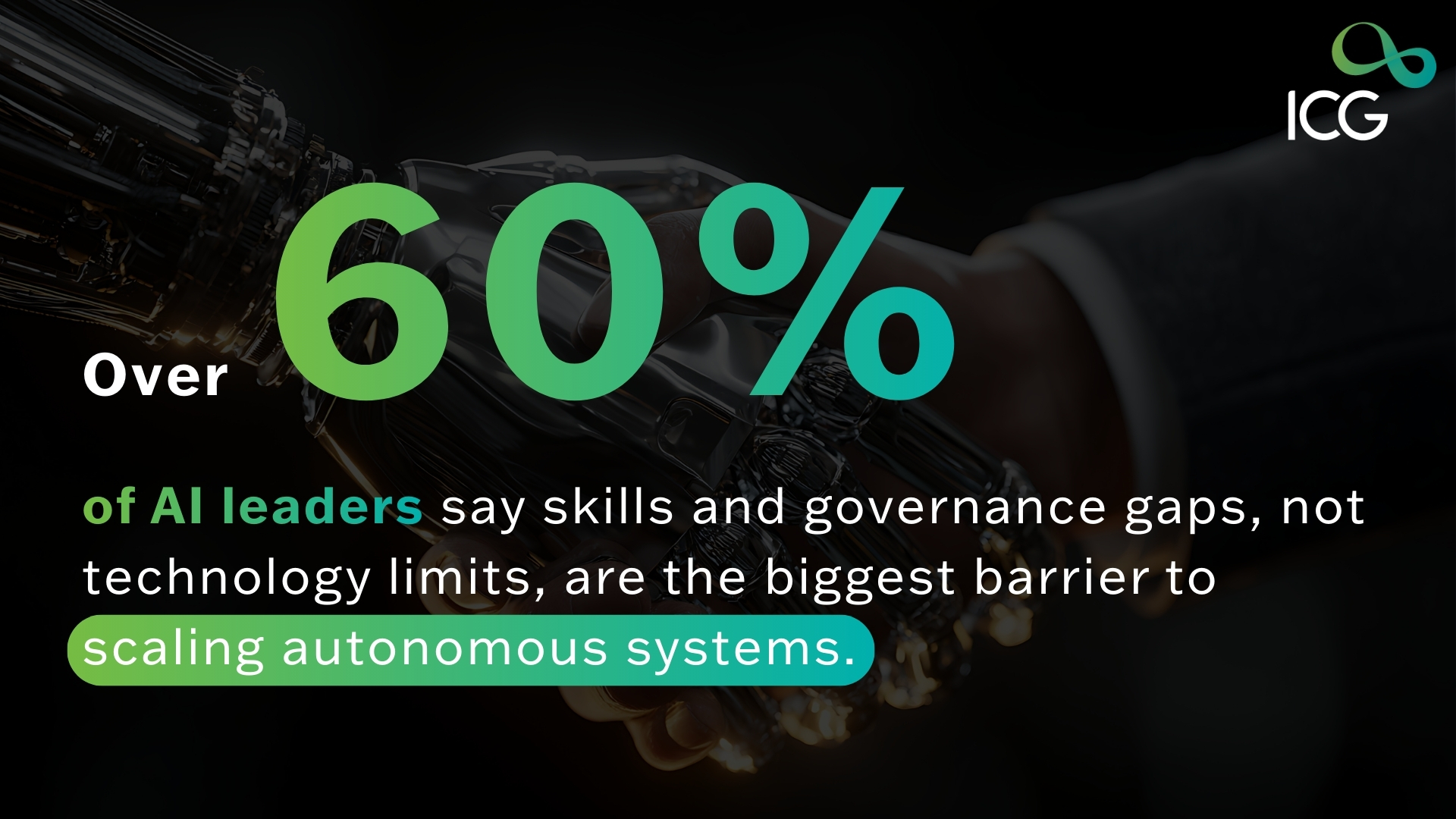
In reality, the technology has already moved ahead. What is holding Physical AI back today is not what machines can do, but how prepared people are to work alongside them. The real constraint is human capability, not technical performance.
The Big Misunderstanding About Physical AI
Physical AI is often treated like a plug and play upgrade. Install the hardware, deploy the algorithms, and operations should run more efficiently by default. But when AI leaves the digital realm and begins to sense, decide, and act in the physical world, the nature of work changes in ways that technology alone cannot solve.
Machines are no longer just providing insights. They are taking action, interacting with environments, and influencing outcomes in real time. This shift demands something new from organizations: people who understand what the system is doing, why it is doing it, and when it needs human intervention. Without that understanding, even the most advanced Physical AI systems struggle to move beyond limited pilots and controlled environments.
Why Skills Matter More When AI Takes Action
There is a fundamental difference between an AI that recommends and an AI that acts. Digital AI may flag patterns or suggest next steps, but Physical AI executes decisions through movement, force, and interaction with the real world. As autonomy increases, human roles evolve from hands on execution to supervision, governance, and exception handling.
This evolution requires a very different skill set. Teams must be able to interpret system behavior, recognize early warning signs, and step in with confidence when conditions change. When those skills are missing, organizations fall into one of two traps. They either over trust the system and fail to intervene when they should, or they under trust it and restrict its use so heavily that the promised value never materializes.
The Skills Gap Slowing Physical AI Down
One of the most common barriers to scaling Physical AI is limited understanding of how these systems behave in complex or unfamiliar situations. Decision logic can feel opaque, especially when models adapt over time, and that opacity quickly turns into hesitation on the ground.
Governance adds another layer of complexity. Physical AI raises new questions around safety, escalation, and accountability that many teams are not prepared to answer. Who intervenes, how quickly, and under what conditions are not technical questions alone, but operational and leadership ones as well.
Leadership readiness is often where progress stalls. Many executives approve Physical AI investments without fully appreciating what oversight looks like in practice. Leading AI driven operations means being comfortable with shared control, setting clear boundaries for autonomy, and asking the right questions when systems behave unexpectedly. Without that confidence, scaling Physical AI feels risky rather than empowering.
From AI Literacy to Real AI Readiness
Addressing these challenges requires moving beyond basic AI literacy and toward true AI readiness. Leaders need a working understanding of how Physical AI systems operate so they can govern them responsibly and make informed trade offs between speed, safety, and control.
Teams, in turn, need cross functional knowledge that bridges technology, operations, risk, and safety, because Physical AI does not live neatly within a single department. It exists at the intersection of many, and readiness depends on shared understanding across them.
Equally important, learning cannot stop once the system goes live. Physical AI continues to evolve as models update and environments change, which means skills must be refreshed continuously to stay aligned with system behavior. Readiness is not a one time milestone, but an ongoing capability that grows alongside the technology.
Physical AI is advancing rapidly, but organizations will only unlock its potential if their people advance with it. The bottleneck is no longer the machines themselves, but whether humans are equipped to supervise, govern, and intervene effectively when it matters most.
The organizations that succeed with Physical AI will not simply invest in better robots or smarter algorithms. They will invest in people who understand how those systems behave, leaders who can guide them with confidence, and cultures that treat readiness as a strategic priority rather than an afterthought.
Physical AI is ready. The question is whether organizations are ready with it.
The ICG Approach
At ICG, we offer a customized approach that empowers your teams with the latest insights and technology expertise to navigate the demands of today’s digital age. As Saudi Arabia embarks on its digital transformation journey, ICG plays a pivotal role in shaping the Kingdom’s tech landscape by providing cutting-edge solutions, strategic consultancy, and fostering innovation. Our comprehensive guidance, from fundamental concepts to practical implementation, helps organizations mitigate risks, stay ahead of the competition, and unlock their full potential in the accelerating digital environment.
Ready to talk?
Request your free Consultation to learn more about ICG’s capabilities and enablement to embark on a transformative expedition toward the summit of success.